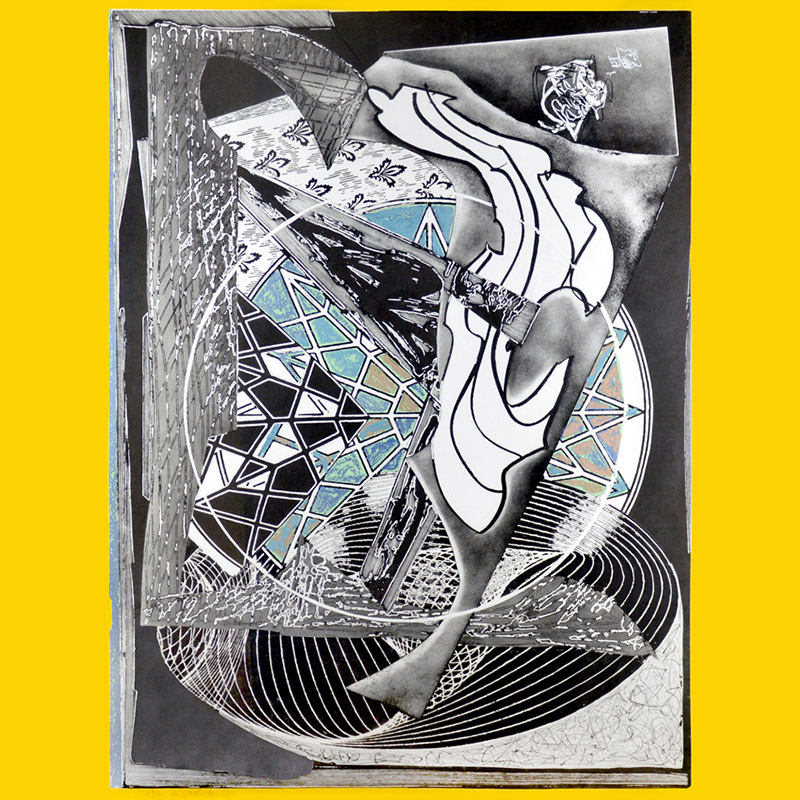
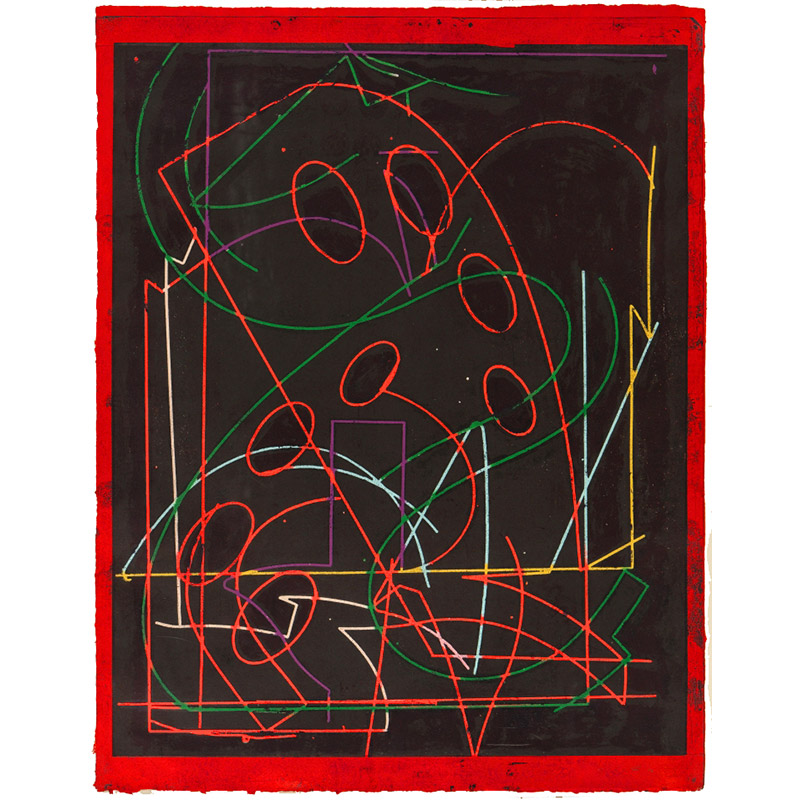
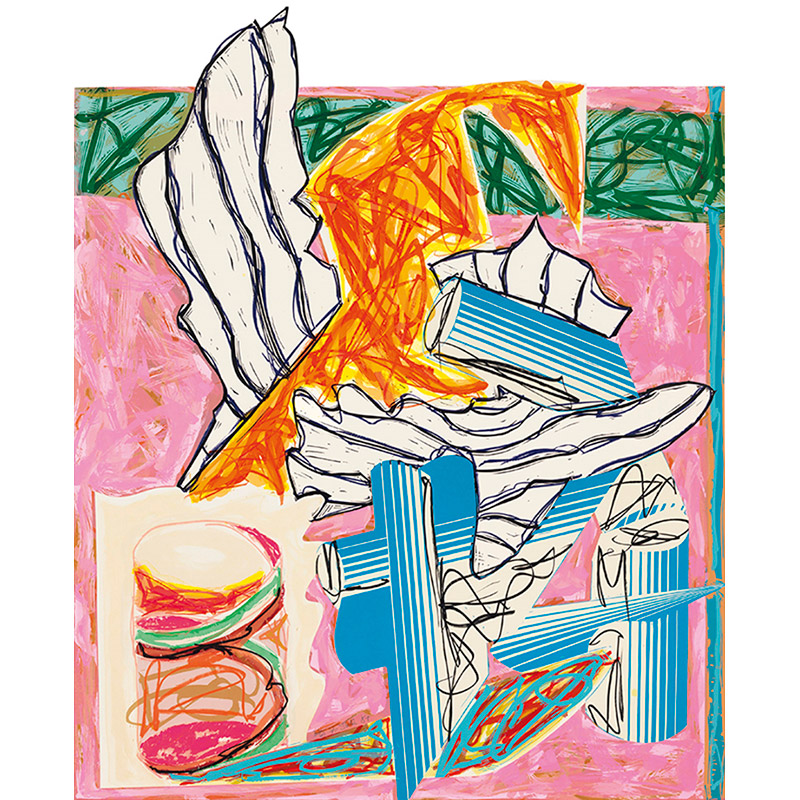
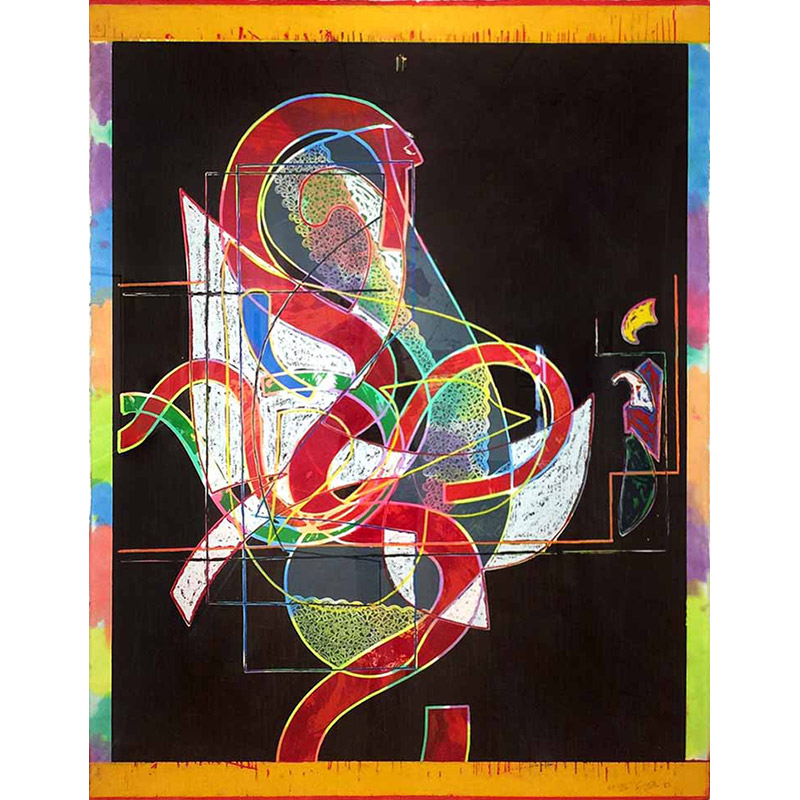
If you are considering selling a Frank Stella print, painting, relief, sculpture or work on paper, the first step is identifying exactly what you own. Stella worked across multiple media and created an especially complex body of prints and editions, so market value can vary significantly by series, medium, edition, proof type, signature, condition, provenance and current collector demand.
We evaluate Frank Stella artworks for private collectors, estates, families and owners who want to understand their artwork and determine the best way to sell it. For works we are actively seeking, we may also make a confidential direct purchase offer.
What Kind of Frank Stella Artwork Do You Own?
Frank Stella worked across painting, printmaking, relief, sculpture and mixed media throughout his career.
We evaluate:
- Original Frank Stella prints
- Lithographs
- Screenprints
- Etchings and aquatints
- Woodcuts
- Relief prints
- Signed and numbered editions
- Artist’s Proofs and other documented proofs
- Complete print portfolios and sets
- Paintings
- Reliefs
- Sculptures
- Works on paper
Correct identification matters because Stella’s prints can involve multiple techniques, complex proof structures and different printers and publishers. An Axsom catalogue reference, edition number, workshop mark or printer’s stamp can often help establish exactly which work you own.
How Much Is My Frank Stella Worth?
The value of a Frank Stella depends on the exact artwork rather than the artist’s name alone. A signed screenprint, complete portfolio, painting, relief and sculpture can each occupy very different parts of the market.
Important factors can include:
- Medium and date
- Series or image
- Edition size
- Signature
- Proof type
- Dimensions
- Condition
- Provenance
- Axsom catalogue reference
- Printer and publisher
- Rarity
- Recent comparable sales
- Current collector demand
For Frank Stella prints, identifying the exact edition is particularly important. Public museum and auction records routinely catalogue Stella works using the medium, edition, signature, paper, publisher and Axsom reference.
Recent auction results can provide useful market evidence, but the strongest comparisons are usually sales of the same work or closely related editions with similar condition and provenance.
For a deeper explanation, see our How Much Is My Frank Stella Worth? guide.
Frank Stella Prints, Editions and Catalogue References
Frank Stella created one of the most technically varied bodies of printmaking in Post-War American art.
His prints include screenprints, lithographs, etchings, aquatints, woodcuts, relief prints and works combining multiple printmaking methods.
The primary catalogue raisonné reference used for Stella’s prints is associated with Richard H. Axsom. An Axsom number can help identify the title, date, medium, dimensions, edition structure, printer and publisher of a documented Stella print. Some works also carry separate workshop references from Gemini G.E.L. or Tyler Graphics.
These references are valuable for identification, but the physical artwork should still correspond with the documented edition.
Important Frank Stella Print Series
Collector demand can vary considerably by series, date and individual work.
We evaluate prints from many of Stella’s best-known series, including:
- Black Series
- V Series
- Stacks
- Eccentric Polygons
- Sinjerli Variations
- Exotic Birds
- Polar Co-ordinates
- Circuits
- Swan Engravings
- Had Gadya
- Moby Dick
- Imaginary Places
Earlier Stella prints often emphasize geometric structure and repeated forms, while later works can become increasingly layered, sculptural and technically complex.
This variety is one reason broad price averages are not especially useful when evaluating a Stella. The exact series and edition matter.
Signed and Numbered Frank Stella Prints
Many original Frank Stella prints are signed, dated and numbered, but inscriptions vary by edition.
Depending on the work, you may encounter:
- Standard numbered editions
- Artist’s Proofs
- Printer’s proofs
- Color Trial Proofs
- State proofs
- Workshop-specific inscriptions
Museum and auction records show that Stella’s editions can include different papers, proof structures, blindstamps and workshop marks. For example, Gemini G.E.L. publications may carry a Gemini blindstamp and reverse ink stamp in addition to Stella’s signature and edition information.
A signature alone should not be used to identify or authenticate a Stella print. The inscription, edition, paper, dimensions, printing technique and workshop information should make sense for the documented work.
Does Condition Affect Frank Stella Value?
Yes. Condition can materially affect the market value of a Frank Stella print or work on paper.
Important condition issues may include:
- Fading or color shift
- Foxing
- Staining
- Toning
- Creases
- Tears
- Trimmed margins
- Surface abrasions
- Previous mounting
- Restoration
- Damage to relief or three-dimensional elements
Condition can be especially important with Stella because some prints use unusual papers, layered elements and complex mixed-printmaking techniques. Current seller guides also emphasize color retention, paper condition and preservation of signatures and relief elements when evaluating Stella prints.
Why Provenance Matters
Provenance is the documented ownership history of an artwork.
Useful provenance can include:
- Gallery invoices
- Auction records
- Collection history
- Exhibition records
- Museum labels
- Estate documentation
- Publisher information
- Previous appraisals
- Catalogue raisonné references
Provenance can help support both the identity and marketability of a Frank Stella artwork.
Should I Sell My Frank Stella Privately or at Auction?
Both auction and private sale can be appropriate depending on the artwork.
Auction may provide broad exposure for rare or highly desirable Stella works that could attract competitive bidding. However, auction can involve consignment periods, estimates, reserves, commissions and the possibility that the work does not sell.
A direct private sale can offer greater discretion, more control over timing and a more predictable transaction.
We review the specific Frank Stella you own, including its condition, provenance, current collector demand and relevant recent sales, before determining whether it may be appropriate for direct purchase.
How to Sell Your Frank Stella
Start by sending us clear photographs of the front and back of the artwork, including the signature, edition number, workshop marks, labels and any documentation you have.
We can then help identify the work, review its condition and provenance, examine relevant recent sales and current market demand, and determine whether it may be appropriate for a confidential direct purchase offer.
For the complete process, see our How to Sell Your Frank Stella Artwork guide.
What Should I Send for a Frank Stella Valuation?
To begin, send:
- A full photograph of the artwork
- A photograph of the reverse
- Close-ups of the signature
- Edition number or proof designation
- Dimensions
- Title or series, if known
- Axsom catalogue reference, if known
- Printer or publisher marks
- Gallery labels or stamps
- Purchase records or provenance
- Any known condition issues
You do not need to have every detail before contacting us. Clear photographs are often enough for us to begin identifying and researching the work.
Why Sell Your Frank Stella With Us?
Our gallery has decades of experience buying and selling Modern and Post-War art.
Each Frank Stella is evaluated individually. We focus on identifying the exact artwork, understanding its condition and provenance, researching the edition and catalogue information, and reviewing current market evidence before discussing a potential purchase.
When you contact us, you can work directly with the gallery owners rather than being passed through multiple departments.
For completed acquisitions, we can coordinate payment, insurance, professional packing and fine-art transportation.
Ready to Sell Your Frank Stella?
If you own a Frank Stella print, painting, relief, sculpture or other artwork, send us photographs and any documentation you have.
We can help identify the exact work, evaluate its current market and determine whether it may be appropriate for a confidential direct purchase offer.